
UNDERSTANDING GERMANY
In-depth insights into the culture, people, lifestyle and economy of Europe's largest economy, so you are fully prepared before studying abroad.
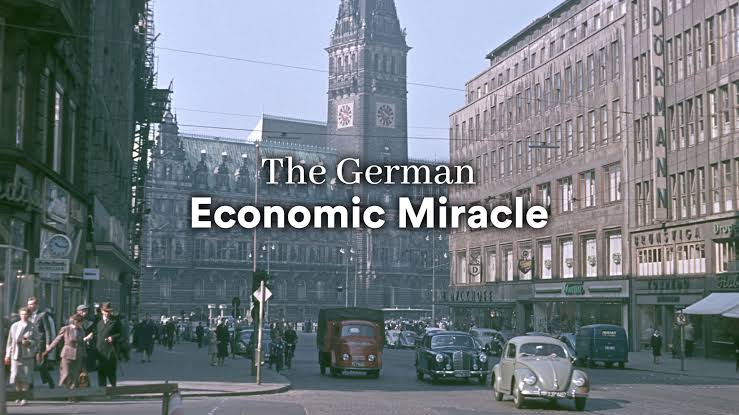
From Post-war Reconstruction to a Leading European Economy
From a country severely affected by war, Germany developed into a major European economy. This achievement resulted not from a single factor but from institutional reconstruction, investment, workforce capabilities, international integration and scientific and technological development over decades.
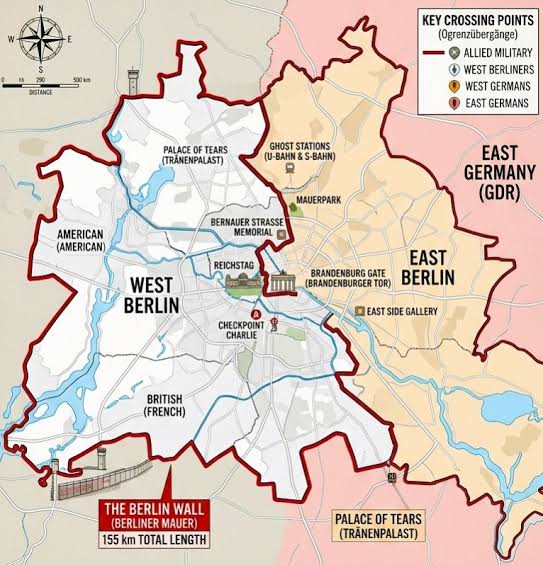
The Berlin Wall and the Journey to German Reunification
Today, students can travel between Berlin’s districts without encountering the border that once divided the city. This change is connected to a major turning point in late twentieth-century European history: the fall of the Berlin Wall and German reunification.

The Two World Wars and Germany’s Historical Lessons
Modern Germany cannot be fully understood without considering the upheavals of the twentieth century. The two world wars, the Nazi regime and the Holocaust had profound consequences for Europe and the world. Studying this history provides an opportunity to reflect on civic responsibility, human rights and peace.
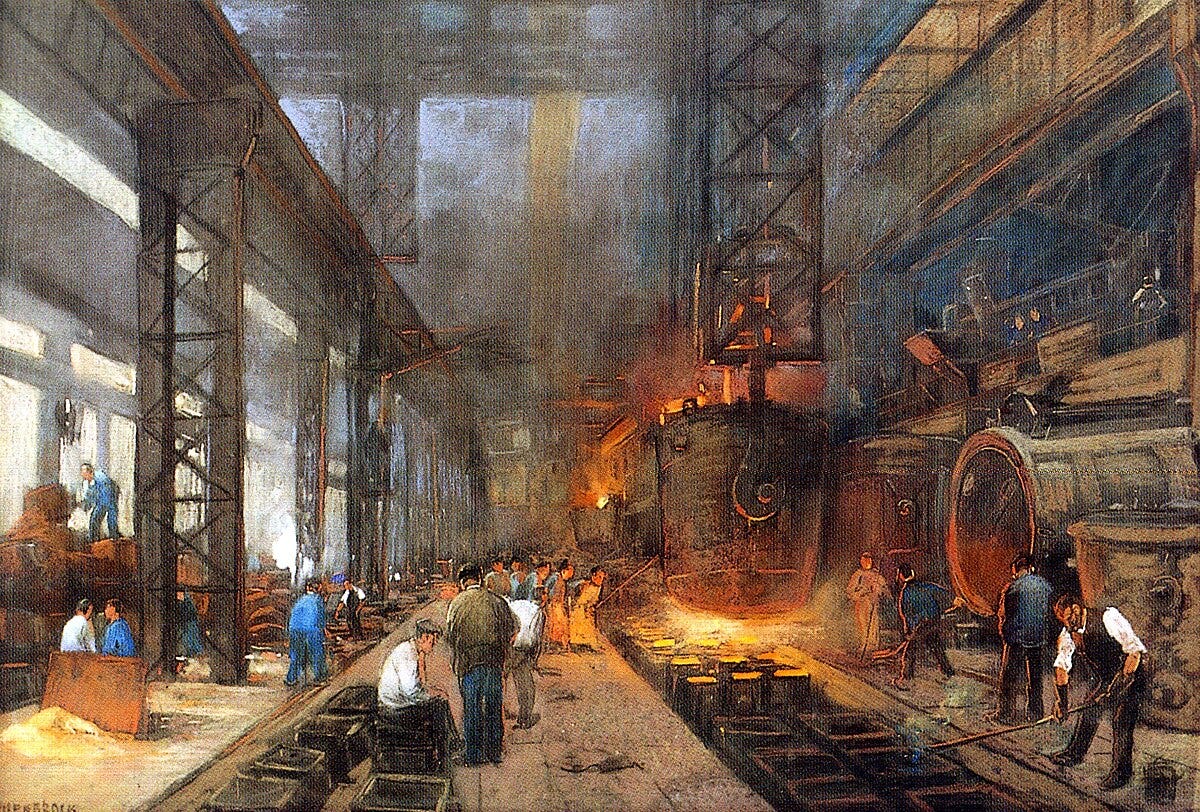
Germany and the European Industrial Revolution
Germany’s industrial strength today stems from generations of accumulated knowledge, infrastructure and organisational capabilities. The nineteenth-century Industrial Revolution was a major turning point, while also creating social issues that economic development had to address.
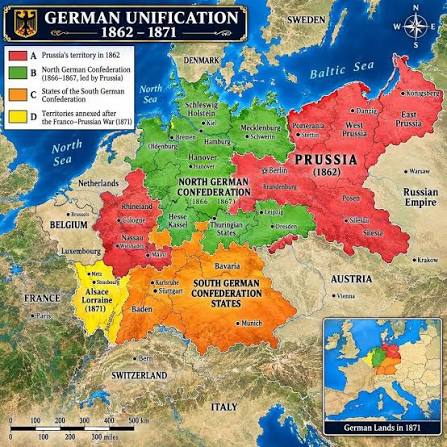
From Germanic Lands to the Formation of Modern Germany
Modern Germany did not emerge at a single moment. Its history reflects a long transformation of communities, territories, political institutions and cultural identities. Understanding this process helps explain why Germany combines national unity with strong regional identities today.
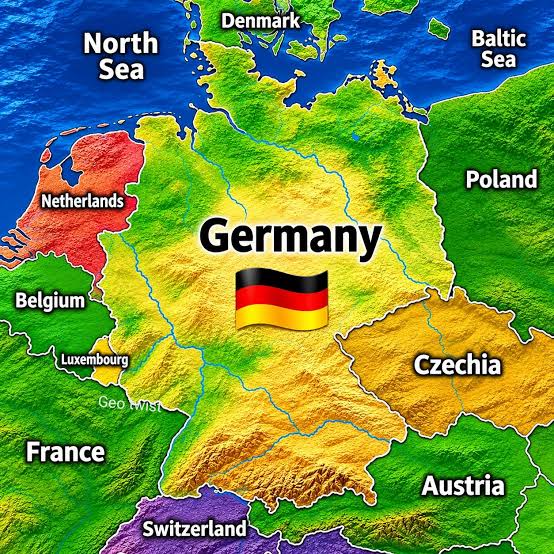
Germany in the Heart of Europe: Geography and International Connections
Studying in Germany can provide exposure to many European cultures. To make the most of these opportunities, students should distinguish geographical location, European institutions and the actual rights associated with their residence status.